

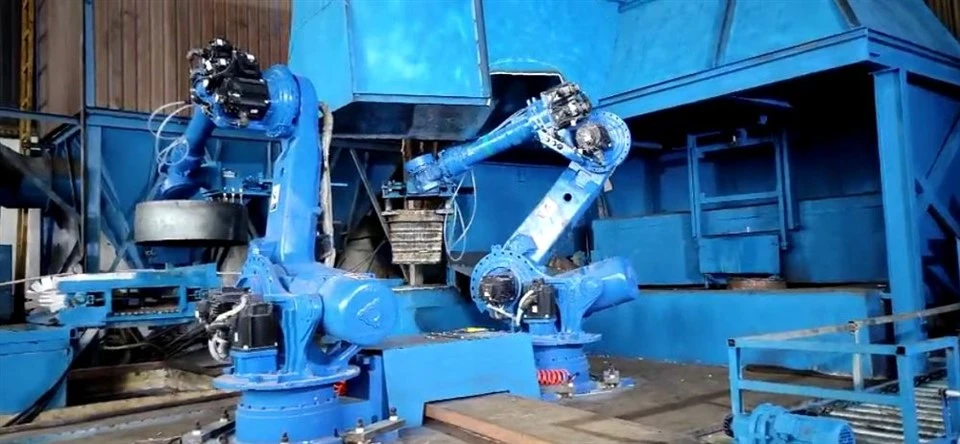
Pre-treatment Pickling Room
Name: Enclosed Pre-treatment Pickling Room
Specification: Customized according to the workpiece specifications and production capacity required by the user.
Overview:
This system is designed for the pre-treatment of small metal parts such as standard fasteners, electrical steel caps, pipe fittings, and similar components in hot-dip galvanizing processes.
All pre-treatment operations-including pickling, rinsing, and fluxing-are carried out בתוך a fully enclosed chamber. This design isolates the pre-treatment tanks from the main workshop and minimizes the leakage of harmful gases.
The enclosure is constructed with a steel structure, coated with polyurea or anti-corrosion resin paint, and internally lined with FRP or UPVC panels for enhanced corrosion resistance.
An acid fume neutralization and filtration tower is installed outside the enclosure to absorb and neutralize acid gases before discharge.
Application Parameters
|
Application Position |
Material |
Energy Source |
Application Scope |
|
Black Parts Cleaning Tank |
Steel Structure + PP |
Electricity |
Pre-treatment cleaning of untreated workpieces |
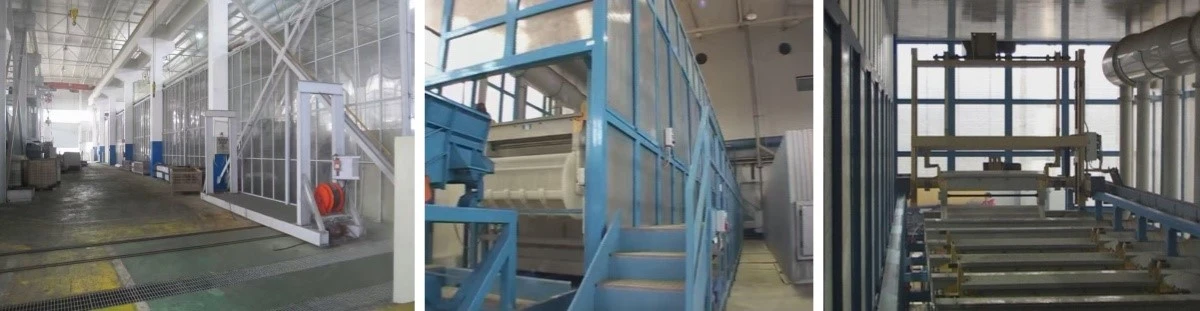
Pre-treatment Tank
Name: Pre-treatment Cleaning Tank For Metal Parts Automatic Hot dip Galvanizing Equipment
Specification: Customized according to the production capacity, batch weight, and product types of small parts hot-dip galvanizing.
Overview:
This tank is designed for batch pre-treatment cleaning of small parts in hot-dip galvanizing processes.
The tank body is typically constructed with a steel structure combined with a PP lining. This design offers advantages such as lightweight construction, easy installation, strong resistance to acid and alkali corrosion, and convenient long-term maintenance.
Application Parameters
|
Application Position |
Material |
Energy Source |
Application Scope |
|
Black Parts Cleaning Tank |
Steel Structure + PP |
Electricity |
Pre-treatment cleaning of untreated workpieces |
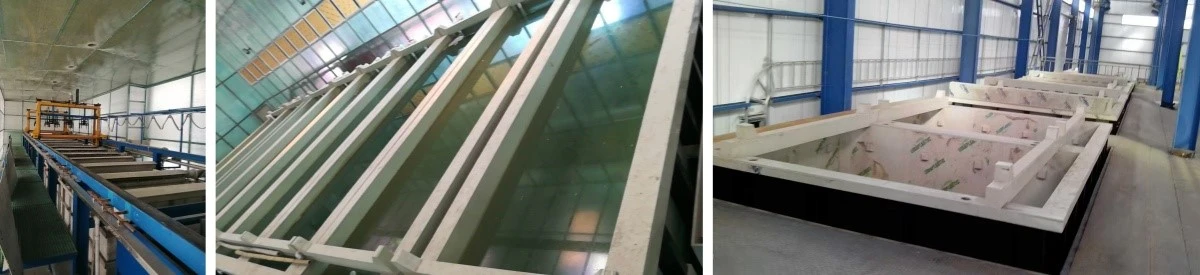
Pre-treatment Cleaning Drum
Name: Pre-treatment Cleaning Drum For Metal Parts Automatic Hot dip Galvanizing Equipment
Specification: The equipment is selected based on the type of workpieces, batch cleaning weight, and cleaning method.
Overview:
This equipment is designed for batch pre-treatment cleaning of small parts in hot-dip galvanizing processes.
The cleaning methods include rotary drum cleaning and automatic bottom-discharge cleaning tanks. The rotary drum type is available in PP and 316L stainless steel, while the automatic bottom-discharge cleaning tank is constructed with PP combined with 316L stainless steel.
These configurations provide efficient cleaning performance, excellent corrosion resistance, and adaptability to different small-part processing requirements.
Application Parameters
|
Application Position |
Material |
Energy Source |
Application Scope |
|
Black Parts Cleaning |
Steel Structure + PP + Stainless Steel |
Electricity |
Pre-treatment cleaning of untreated workpieces |
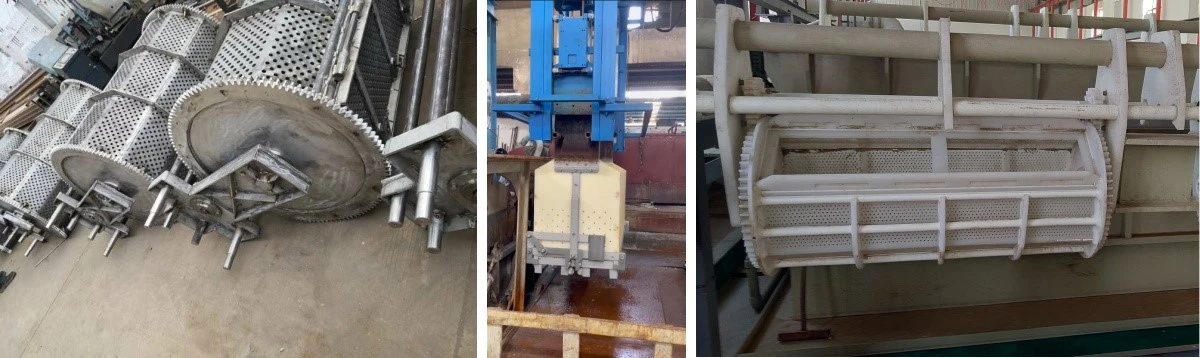
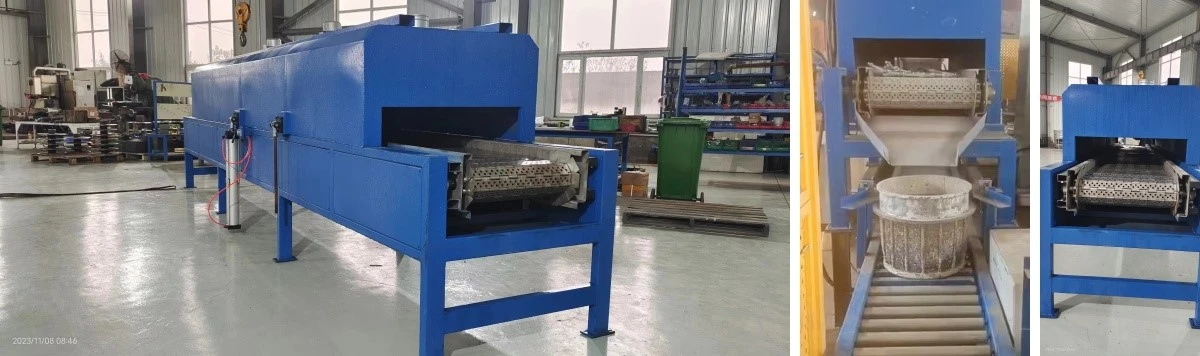
Drying Furnace
Name: Conveyor-Type Drying Machine For Metal Parts Automatic Hot dip Galvanizing Equipment
Specification: Customized according to the workpiece specifications, weight, and product types required by the user.
Overview:
This equipment is designed for drying surface moisture of small workpieces after pre-treatment in hot-dip galvanizing processes.
Workpieces are conveyed through a conveyor-type hot air drying furnace, where forced hot air circulation ensures efficient and uniform drying before entering the galvanizing process.
The system is equipped with high-temperature-resistant long-shaft motors and high-efficiency multi-blade fans. Its powerful air circulation system ensures optimal and uniform temperature distribution, while maintaining low noise levels and energy-efficient operation.
Application Parameters
|
Application Position |
Material |
Energy Source |
Application Scope |
|
Post-cleaning Workpieces |
Steel Structure + Stainless Steel |
Electricity |
Drying surface moisture after pre-treatment cleaning |
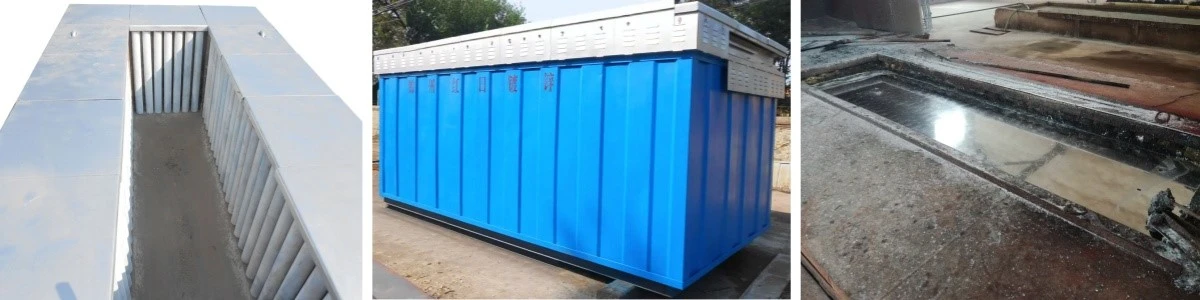
Internally Heated Ceramic Zinc Pot
Name: Internally Heated Ceramic Zinc Pot
Specification: Customized according to the user's workpiece specifications and production capacity.
Overview:
This equipment is suitable for hot-dip galvanizing of small parts, power fittings, standard fasteners, malleable iron components, and other metal products requiring galvanizing.
The internally heated ceramic zinc pot is independently designed and developed by our company. It consists of a pot body, ceramic internal heating elements, and a temperature control and electrical control system.
The ceramic zinc pot contains no internal metal components, which reduces zinc consumption by approximately 3–5%. It is equipped with corrosion-resistant thermocouples that are in direct contact with the molten zinc, ensuring precise temperature measurement and maintaining temperature fluctuations within ±3°C.
The system can be powered by electricity or natural gas, depending on process requirements.
Application Parameters
|
Application Position |
Material |
Energy Source |
Application Scope |
|
Hot-Dip Galvanizing |
Steel Structure + Insulation + Ceramic Lining |
Electricity / Natural Gas |
Hot-dip galvanizing of workpieces |
Product Types & Heating Methods
|
Heating Method |
Heating Position |
Energy Source |
Application Scope |
|
Ceramic Sheath Heating |
Around inner walls of zinc pot |
Electricity |
High-temperature galvanizing (480–630°C) |
|
Quartz Element Direct Heating |
One side inside zinc pot |
Electricity |
High-temperature galvanizing (480–630°C) |
|
Ceramic Sheath Heating |
One side inside zinc pot |
Natural Gas |
High-temperature galvanizing (480–560°C) |
|
Top Heating of Ceramic Zinc Pot |
Upper side of zinc pot |
Natural Gas |
High-temperature galvanizing (480–560°C) |
Robotic Hot-Dip Galvanizing System
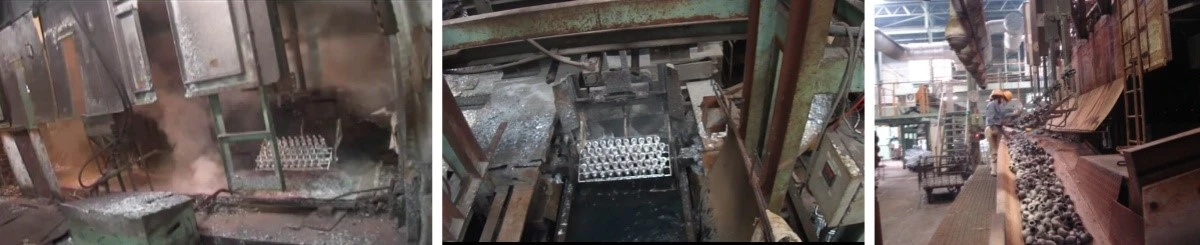
1)Automatic Hot-Dip Galvanizing Line for Malleable Iron Pipe Fittings
Name: Special Hot-Dip Galvanizing Equipment for Malleable Iron Pipe Fittings
Specification: Customized according to the workpiece specifications and production capacity required by the user.
Capacity: Average production capacity of 1.5–3.0 t/h
Overview:
This equipment is designed for high-temperature hot-dip galvanizing of pipe fittings.
The automatic galvanizing system for malleable iron pipe fittings adopts a pallet-type hanging structure. The main equipment is equipped with dual motors (one in operation and one standby), ensuring continuous and stable production.
With an average capacity of 1.5–3.0 t/h, the system incorporates an automatic vibration mechanism after the workpieces are withdrawn from the molten zinc bath. This vibration removes excess zinc accumulations from the bottom of the fittings, allowing the molten zinc to fall back into the zinc pot.
Post-galvanizing processes-including ammonia treatment, water cooling, and passivation-are completed automatically. Workpiece loading is assisted manually.
Application Parameters
|
Application Position |
Material |
Energy Source |
Application Scope |
|
Galvanizing and Post-treatment of Workpieces |
Steel Structure |
Electricity |
Full-process hot-dip galvanizing of malleable iron pipe fittings |
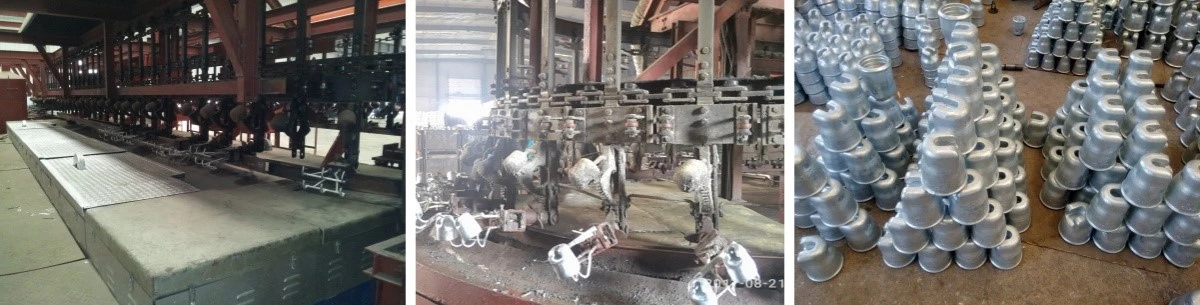
2)Automatic Hot-Dip Galvanizing Line for Electrical Steel Caps
Name: Special Hot-Dip Galvanizing Equipment for Electrical Steel Caps
Specification: Customized according to the workpiece specifications and production capacity required by the user.
Overview:
This equipment is designed for high-temperature hot-dip galvanizing of electrical steel caps.
The automatic galvanizing system adopts a single-point hanger configuration, with each hanger carrying 1–4 workpieces. The production capacity reaches 45–60 tons per day.
The entire process-including ash removal, galvanizing, zinc knocking (removal of excess zinc), ammonia treatment, water cooling, and passivation-is completed automatically. The production line typically requires 5–6 operators for supervision and auxiliary tasks.
Application Parameters
|
Application Position |
Material |
Energy Source |
Application Scope |
|
Galvanizing and Post-treatment of Workpieces |
Steel Structure |
Electricity |
Full-process hot-dip galvanizing of electrical steel caps |
3)Robotic Automatic Hot-Dip Galvanizing Line
Name: Robotic Hot-Dip Galvanizing Equipment
Specification: Customized according to the workpiece specifications and production capacity required by the user.
Capacity: Average production capacity of 1.5–3.0 t/h
Overview:
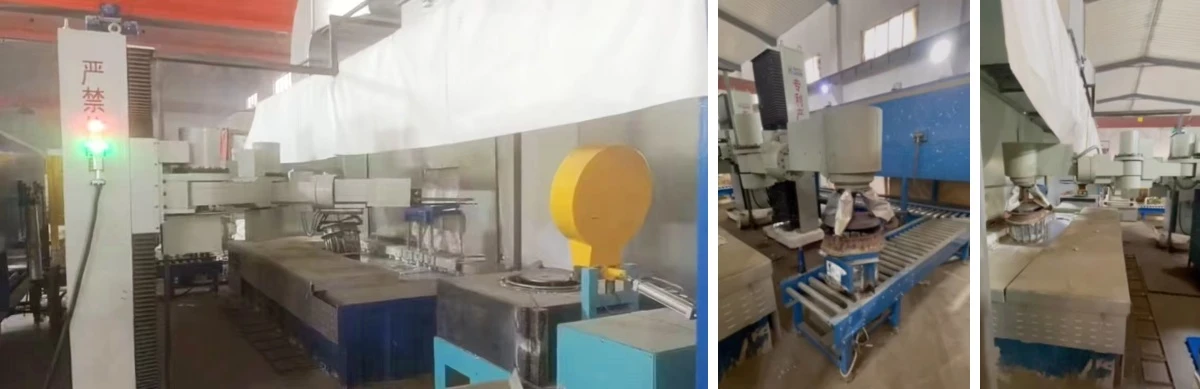
This equipment is designed for high-temperature hot-dip galvanizing of centrifuged metal parts and various miscellaneous metal components.
The production line consists of workpiece loading, pre-treatment cleaning, drying, weighing, robotic handling for galvanizing, automatic centrifuging, ammonia treatment, water cooling, inspection, and collection/packing systems.
The line requires 4–5 operators for auxiliary tasks. With an average capacity of 1.5–3.0 t/h, the robotic system-developed with proprietary technology by our company-is specifically designed for high-temperature galvanizing processes and fully replicates manual operations during the galvanizing process.
Application Parameters
|
Application Position |
Material |
Energy Source |
Application Scope |
|
Galvanizing and Post-treatment of Workpieces |
Steel Structure |
Electricity |
Full-process hot-dip galvanizing of miscellaneous metal parts |
Centrifuge For Metal Parts Automatic Hot dip Galvanizing Equipment
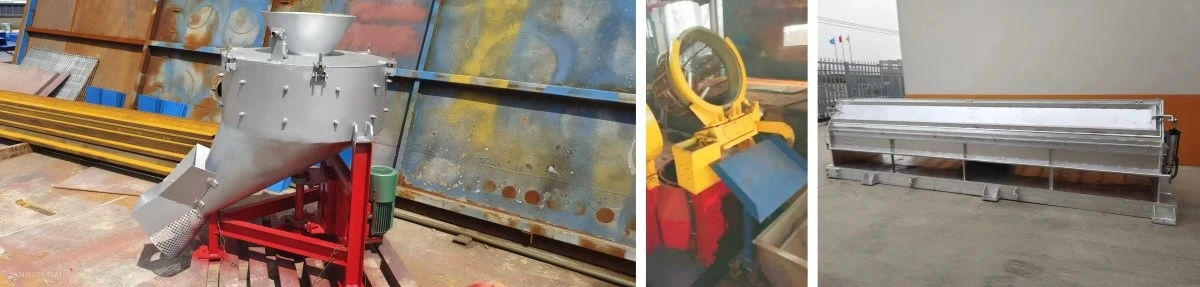
Name: Galvanized Workpiece Centrifuge
Specification: Customized according to the workpiece specifications, batch centrifugal load, and product types required by the user.
Overview:
This equipment is designed for post-treatment of thin-coating hot-dip galvanized workpieces, including threaded rods (0.6–3.2 m), standard fasteners, washers, and other components with high surface quality requirements.
After high-temperature galvanizing, small parts with holes, threads, or thin coating requirements require removal of excess zinc from their surfaces. The centrifuge effectively spins off surplus molten zinc, ensuring uniform coating thickness and improved surface quality.
The system features manual loading and automatic unloading, with automatic lifting and tilting mechanisms for efficient discharge of workpieces.
Application Parameters
|
Application Position |
Material |
Energy Source |
Application Scope |
|
Post-Galvanizing Treatment |
Steel Structure |
Electricity |
Removal of excess zinc from workpiece surfaces after galvanizing |
Ammonia Water Cooling Tank
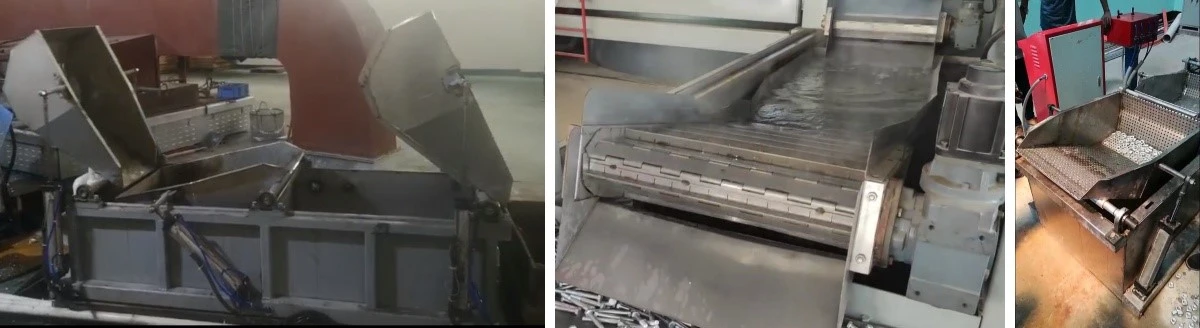
Name: Post-Galvanizing Treatment System (Ammonia Treatment, Water Cooling, and Passivation Tanks)
Specification: Customized according to the workpiece specifications and product types.
Overview:
This system is designed for post-treatment of small parts after hot-dip galvanizing.
After centrifuging to remove excess zinc, the workpieces are transferred via conveyor units or pneumatic tipping devices. According to the process sequence, the workpieces automatically enter the ammonia treatment tank, water cooling tank, and passivation tank to complete post-galvanizing treatment step by step.
Alternatively, workpieces can be directly discharged into the ammonia treatment tank, and then conveyed to the water cooling and passivation tanks through conveyor systems or pneumatic tipping devices.
All equipment operates automatically with adjustable speed. Conveyor units installed inside the tanks continuously transport the workpieces and automatically deliver them to the inspection conveyor system after treatment.
The tanks and conveyor systems are made of stainless steel, ensuring excellent corrosion resistance and long service life.
Application Parameters
|
Application Position |
Material |
Energy Source |
Application Scope |
|
Post-Galvanizing Treatment |
Steel Structure |
Electricity + Pneumatic |
Post-treatment of workpieces after centrifuging or direct discharge into treatment tanks |
Product Advantages
1.Pioneering Robotic Integration for Unattended High-Volume Operation
This equipment represents the forefront of automation with its comprehensive robotic hot-dip galvanizing system. The line can be configured with specialized robotic cells for different products, such as a pallet-type system for pipe fittings or a single-point hanger system for high-volume steel caps. These robotic systems, developed with proprietary technology, precisely replicate human handling operations, including dipping, ash removal, and zinc knocking. This enables fully automatic, unattended processing for significant periods, vastly increasing throughput and freeing up skilled labor for other tasks.
2.Exceptionally High Production Capacity for Demanding Schedules
The line is engineered for mass production, with average capacities ranging from 1.5 to 3.0 tons per hour for general miscellaneous parts and reaching an impressive 45-60 tons per day for specialized items like electrical steel caps. This high throughput is achieved through the synchronization of high-speed robotic arms, optimized process cycles, and efficient material handling systems. The system's design minimizes idle time, creating a continuous, high-volume flow of finished galvanized parts that meets the most demanding production schedules.
3.Optimal Zinc Utilization and Superior Coating Quality
The robotic systems are programmed for consistent precision, which directly translates to material savings. The 'zinc knocking' feature, where the robot vibrates the workpiece after dipping, ensures that excess zinc is returned to the pot rather than being wasted on the part. The integrated automatic centrifuge further removes surplus zinc from critical areas, ensuring a uniform, thin coating. This combination of precision and process control maximizes zinc utilization, reducing material costs and producing a high-quality finish with minimal defects.
4.Comprehensive Process Integration and Full Traceability
This line offers a fully integrated, end-to-end solution. The process starts with loading, followed by robotic pre-treatment (weighing, cleaning, drying), robotic galvanizing, automatic centrifuging, and a complete automated post-treatment sequence including ammonia treatment, water cooling, and passivation. The entire workflow is managed by a central control system, providing complete process traceability. Every batch can be tracked from raw material to finished product, ensuring accountability and facilitating rigorous quality control and compliance with industry standards.
5.Reduced Labor Requirements and Improved Workplace Safety
By automating the most hazardous and labor-intensive tasks, this line significantly reduces the number of operators required. A typical line requires only 4-6 operators for supervision, quality checks, and auxiliary tasks. This drastically reduces labor costs and, more importantly, removes personnel from direct exposure to the high heat, molten zinc, and chemical fumes of the galvanizing process, resulting in a much safer and healthier working environment.
6.Versatile Modular Configurations for Diverse Product Portfolios
The equipment is not a one-size-fits-all solution. It is built on a modular platform that allows for various configurations. For malleable iron pipe fittings, the line can include a pallet-type hanging system with a built-in vibration mechanism. For electrical steel caps, a high-speed single-point hanger system is used. For a mix of miscellaneous metal parts, a general-purpose robotic system can be configured. This flexibility allows manufacturers to choose the exact setup that best matches their specific product mix and production goals.
7.Intelligent Control and Data-Driven Optimization for Continuous Improvement
The system's advanced PLC control and HMI provide a powerful interface for monitoring and managing production. The system logs all key process parameters, allowing for data-driven analysis to identify bottlenecks, optimize cycle times, and improve overall plant efficiency. This intelligence also includes diagnostic features, which support predictive maintenance, minimize unplanned downtime, and enable continuous improvement of the manufacturing process, ensuring long-term operational excellence.
FAQ
Q1: How does the robotic system ensure consistent quality when handling parts of varying weights and sizes?
The robotic system is equipped with intelligent sensors and force-torque feedback. Before a handling cycle begins, the robot can be programmed to 'weigh' the load. Based on this weight and the pre-programmed part geometry, the robot automatically adjusts its speed and acceleration profiles for the dipping and withdrawal phases. This ensures that the immersion and withdrawal speeds are always optimized for the specific part, preventing splashing, ensuring proper coating dwell time, and controlling the final coating thickness, regardless of minor variations in the batch.
Q2: What is the specific function of the vibration mechanism in the malleable iron pipe fittings line?
When galvanizing hollow pipe fittings, molten zinc can become trapped inside the cavity. The automatic vibration mechanism is triggered immediately after the robotic arm lifts the workpiece from the zinc bath. The vibration causes the trapped zinc to drain out of the fittings and fall back into the zinc pot. This is critical for several reasons: it prevents the formation of internal zinc spikes that could block the fitting, it ensures the coating is uniform both inside and out, and it recovers the excess zinc, significantly reducing material waste and production costs.
Q3: How does the line handle the high throughput of 45-60 tons per day for electrical steel caps?
The high capacity is achieved through a combination of speed, density, and synchronization. The single-point hanger system is key; each hanger can carry 1-4 steel caps, densely packed. The robotic arms operate at high speed, with optimized cycle times for both the dipping and centrifuge steps. The entire process, from loading to post-treatment, is synchronized to minimize any waiting time. The system runs continuously, with only brief pauses for maintenance, ensuring a constant, high-volume flow of product.
Q4: What post-treatment processes are included in the automated system after galvanizing?
The automated post-treatment system is comprehensive. After the automatic centrifuge removes excess zinc, the parts are automatically transferred via conveyors or pneumatic tipping systems. The sequence includes: 1) Ammonia treatment tank – for passivation and rapid cooling. 2) Water cooling tank – for further cooling and rinsing. 3) Passivation tank – for a final chemical treatment that stabilizes the coating and enhances corrosion resistance. The system is fully automated, with parts moving seamlessly from one tank to the next on stainless steel conveyor units.
Q5: What are the key maintenance considerations for the robotic systems used in this line?
Maintenance for the robotic systems is critical and follows a scheduled plan. Key tasks include regular lubrication of all robot joints and gearboxes according to the manufacturer's specifications. The robotic arms, especially the end-effector tools (grippers, etc.), should be inspected for wear and damage. The electrical cables and connectors should be checked for any signs of fraying or corrosion. The software and control systems also require periodic updates. We provide comprehensive maintenance training and support to ensure the robotic systems remain reliable and efficient.
Q6: How does the system ensure that parts are properly passivated after galvanizing?
After galvanizing, centrifuging, and water cooling, the parts are automatically transferred to the passivation tank. This tank contains a chemical solution specifically formulated to react with the fresh zinc coating. The reaction forms a thin, stable, and protective conversion layer (typically a chromate or chromate-free alternative) on the surface. This passivation layer enhances the corrosion resistance of the zinc coating, stabilizes its appearance, and provides a better surface for painting or powder coating. The process is fully automated, ensuring every part receives a consistent passivation treatment.
Hot Tags: metal parts automatic hot dip galvanizing equipment, China metal parts automatic hot dip galvanizing equipment manufacturers, suppliers, factory


