

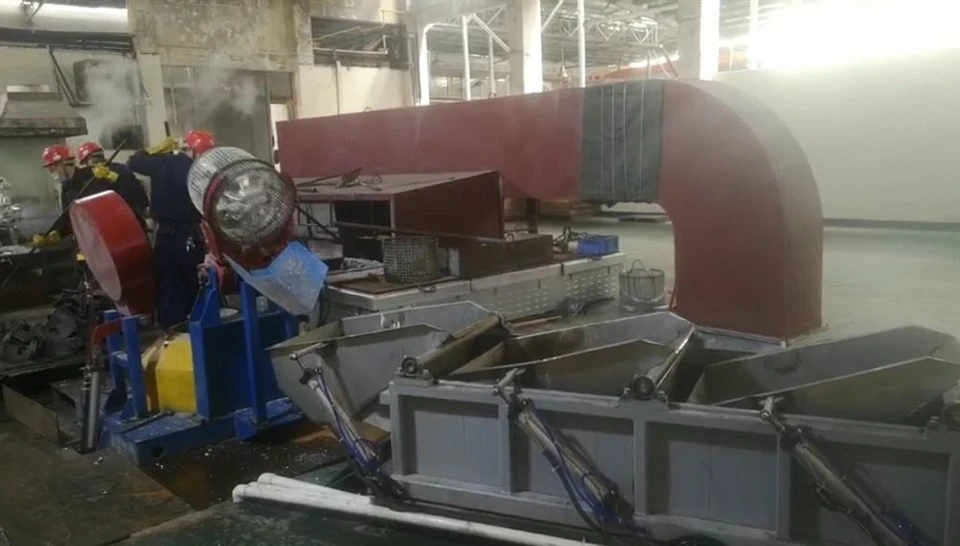
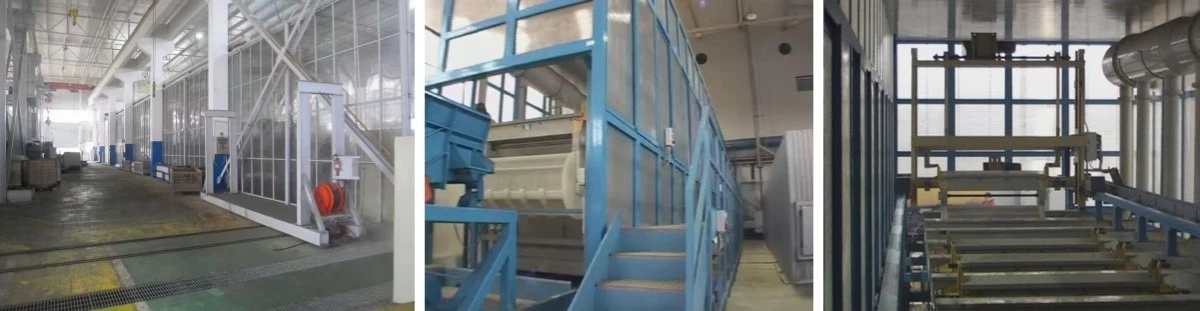
Pre-treatment Pickling Room
Name: Enclosed Pickling Room For Metal Parts High-temperature Hot dip Galvanizing Equipment
Specification: Customized according to the workpiece specifications and production capacity required by the user.
Overview:
This system is designed for the pre-treatment of small metal components such as standard fasteners, electrical steel caps, pipe fittings, and similar parts in hot-dip galvanizing processes.
All pre-treatment operations-including pickling, rinsing, and fluxing-are carried out within a fully enclosed chamber. This design isolates the pre-treatment tanks from the main workshop and minimizes the leakage of harmful gases.
The enclosure is constructed with a steel structure, coated with polyurea or anti-corrosion resin paint, and internally lined with FRP or UPVC panels for enhanced corrosion resistance.
An acid fume neutralization and filtration tower is installed outside the enclosure to absorb and neutralize acid gases before discharge.
Application Parameters
|
Application Position |
Material |
Energy Source |
Application Scope |
|
Pre-treatment Cleaning Tank (Black Parts) |
Steel Structure + PP |
Electricity |
Pre-treatment cleaning of untreated workpieces |
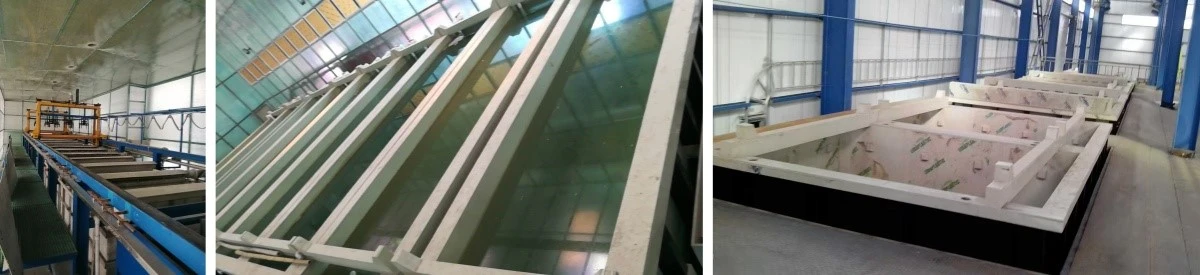
Pre-treatment Tank
Name: Pre-treatment Cleaning Tank
Specification: Customized according to the production capacity, batch weight, and product type of small parts hot-dip galvanizing.
Overview:
This tank is designed for batch pre-treatment cleaning in small parts hot-dip galvanizing processes.
The tank body is typically constructed with a steel structure combined with a PP lining. This design offers advantages such as lightweight structure, easy installation, strong resistance to acid and alkali corrosion, and convenient long-term maintenance.
Application Parameters
|
Application Position |
Material |
Energy Source |
Application Scope |
|
Black Parts Cleaning Tank |
Steel Structure + PP |
Electricity |
Pre-treatment cleaning of untreated small workpieces |
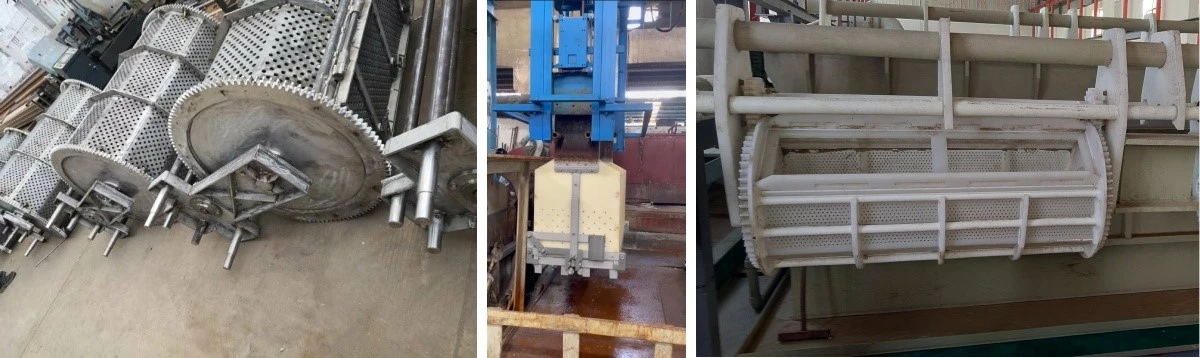
Pre-treatment Cleaning Drum
Name: Pre-treatment Cleaning Drum
Specification: The equipment is selected based on the type of workpieces, batch cleaning weight, and cleaning method.
Overview:
This system is designed for batch pre-treatment cleaning of small parts in hot-dip galvanizing processes.
The cleaning methods include rotary drum cleaning and automatic bottom-discharge cleaning tanks. The rotary drum type is available in PP or 316L stainless steel, while the automatic bottom-discharge cleaning tank is constructed with PP combined with 316L stainless steel.
These configurations ensure efficient cleaning performance, strong corrosion resistance, and suitability for various small-part processing requirements.
Application Parameters
|
Application Position |
Material |
Energy Source |
Application Scope |
|
Black Parts Cleaning |
Steel Structure + PP + Stainless Steel |
Electricity |
Pre-treatment cleaning of untreated workpieces |
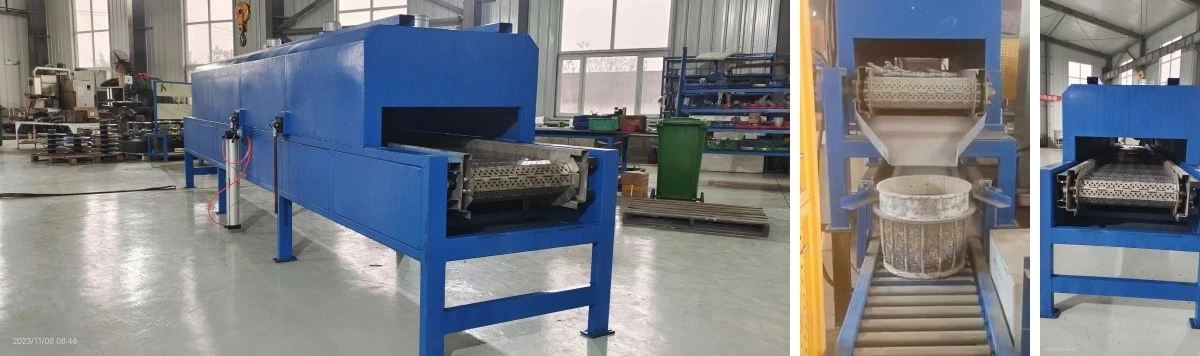
Drying Furnace
Name: Conveyor-Type Drying Machine For Metal Parts High-temperature Hot dip Galvanizing Equipment
Specification: Customized according to the workpiece specifications, weight, and product types required by the user.
Overview:
This equipment is designed for drying surface moisture of small workpieces after pre-treatment in hot-dip galvanizing processes.
Workpieces are conveyed through a track-type hot air drying furnace, where forced hot air circulation ensures efficient drying before entering the galvanizing process.
The system is equipped with high-temperature-resistant long-shaft motors and high-efficiency multi-blade fans. The powerful air circulation system ensures uniform temperature distribution, while maintaining low noise levels and energy-efficient operation.
Application Parameters
|
Application Position |
Material |
Energy Source |
Application Scope |
|
Post-cleaning Workpieces |
Steel Structure + Stainless Steel |
Electricity |
Drying surface moisture after pre-treatment cleaning |
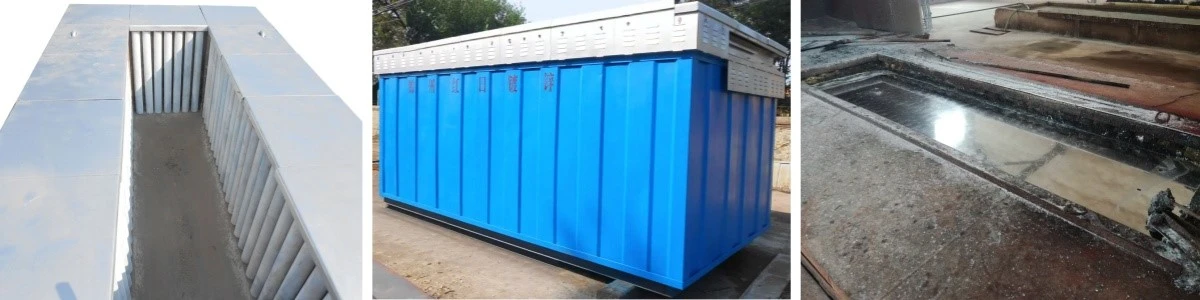
Internally Heated Ceramic Zinc Pot
Name: Internally Heated Ceramic Zinc Pot
Specification: Customized according to the user's workpiece specifications and production capacity.
Overview:
This equipment is suitable for hot-dip galvanizing of small parts, power fittings, standard fasteners, malleable iron components, and various other metal products requiring galvanizing.
The internally heated ceramic zinc pot is independently designed and developed by our company. It consists of a pot body, ceramic internal heating elements, and a temperature control and electrical control system.
The ceramic zinc pot contains no internal metal components, which helps reduce zinc consumption by 3–5%. It is equipped with corrosion-resistant thermocouples that are in direct contact with the molten zinc, ensuring precise temperature measurement and maintaining temperature fluctuations within ±3°C.
The system can be powered by electricity or natural gas, depending on process requirements.
Application Parameters
|
Application Position |
Material |
Energy Source |
Application Scope |
|
Hot-Dip Galvanizing |
Steel Structure + Insulation + Ceramic Lining |
Electricity / Natural Gas |
Hot-dip galvanizing of metal workpieces |
Product Types & Heating Methods
|
Heating Method |
Heating Position |
Energy Source |
Application Scope |
|
Ceramic Sleeve Heating |
Around inner walls of zinc pot |
Electricity |
High-temperature galvanizing (480–630°C) |
|
Quartz Element Direct Heating |
One side inside zinc pot |
Electricity |
High-temperature galvanizing (480–630°C) |
|
Ceramic Sleeve Heating |
One side inside zinc pot |
Natural Gas |
High-temperature galvanizing (480–560°C) |
|
Top Heating of Ceramic Zinc Pot |
Upper side of zinc pot |
Natural Gas |
High-temperature galvanizing (480–560°C) |
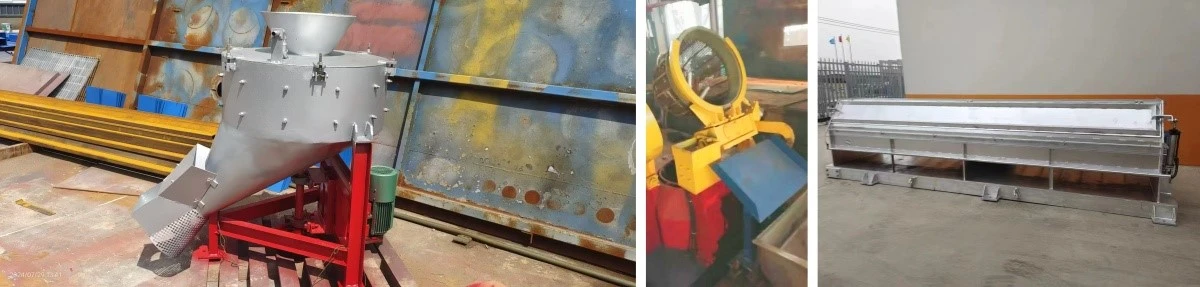
Centrifuge
Name: Galvanized Workpiece Centrifuge For Metal Parts High-temperature Hot dip Galvanizing Equipment
Specification: Customized according to the workpiece specifications, batch centrifugal load, and product types required by the user.
Overview:
This equipment is designed for post-treatment of thin-coating hot-dip galvanized workpieces, threaded rods (0.6–3.2 m), standard fasteners, washers, and other components with strict surface quality requirements.
After high-temperature galvanizing, small parts with holes, threads, or thin coating requirements need to have excess zinc removed. The centrifuge effectively spins off surplus molten zinc from the surface, ensuring uniform coating thickness and improved surface quality.
The system features manual loading and automatic unloading, with automatic lifting and tilting mechanisms for efficient material discharge.
Application Parameters
|
Application Position |
Material |
Energy Source |
Application Scope |
|
Post-galvanizing Treatment |
Steel Structure |
Electricity |
Removal of excess zinc from workpiece surfaces after galvanizing |
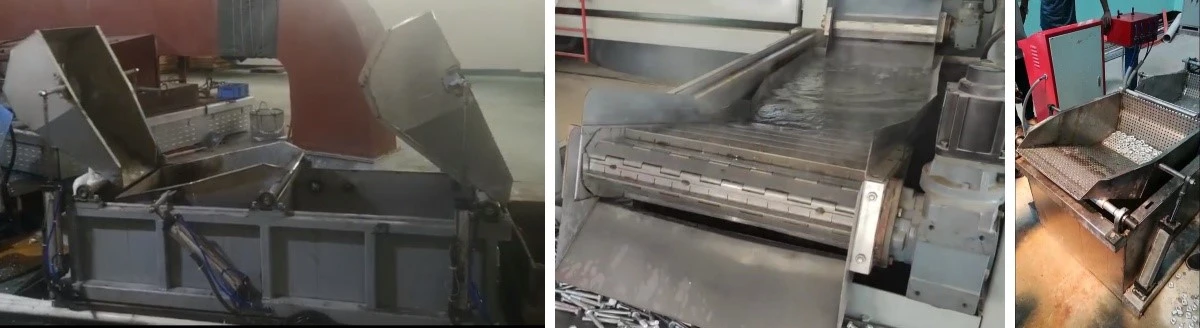
Ammonia Water Cooling Tank
Name: Post-Galvanizing Treatment Tanks (Ammonia Treatment, Water Cooling, and Passivation Tanks)
Specification: Customized according to the workpiece specifications and product types.
Overview:
This system is designed for post-treatment of small parts after hot-dip galvanizing.
After centrifuging to remove excess zinc, the workpieces are transferred via a conveyor system or pneumatic tipping device. According to the process sequence, the workpieces automatically enter the ammonia treatment tank, water cooling tank, and passivation tank in sequence to complete post-galvanizing treatment.
Alternatively, workpieces can be directly discharged into the ammonia treatment tank, and then conveyed to the water cooling and passivation tanks via conveyor or pneumatic tipping systems.
The entire system operates automatically with adjustable speed. Conveyor units inside the tanks transport the workpieces continuously and automatically deliver them to the inspection conveyor after treatment.
All tanks and conveyor systems are made of stainless steel, ensuring excellent corrosion resistance and long service life.
Application Parameters
|
Application Position |
Material |
Energy Source |
Application Scope |
|
Post-Galvanizing Treatment |
Steel Structure |
Electricity + Pneumatic |
Post-treatment of galvanized workpieces after centrifuging or direct discharge into treatment tanks |
Product Advantages
1.Proprietary Internally Heated Ceramic Zinc Pot Technology
The core differentiator of this equipment is the innovative, internally heated ceramic zinc pot, a proprietary technology developed by our company. Unlike traditional metal pots, this design features a robust steel shell, a high-purity ceramic liner, and internal heating elements embedded in the ceramic. This eliminates all internal metal components, preventing the formation of zinc-iron dross, which is a major source of zinc loss and coating contamination. The ceramic pot provides superior thermal efficiency, uniform temperature distribution, and a much longer service life of over 10 years, while also reducing zinc consumption by 3-5%.
2.Precise High-Temperature Control for Specialty Alloys and Small Parts
This equipment is specifically engineered for high-temperature galvanizing processes, typically operating in the 480-630°C range required for metals like malleable iron and certain high-strength steels. The ceramic zinc pot, combined with corrosion-resistant thermocouples in direct contact with the molten zinc, provides exceptional temperature accuracy, maintaining the temperature within a tight tolerance of ±3°C. This precise control is critical for high-temperature operations to ensure the proper metallurgical reaction without overheating and damaging the delicate small parts, guaranteeing the integrity of the coating and the workpiece.
3.Fully Automated Post-Galvanizing Handling for Small Parts
This line features a comprehensive automated post-treatment system that is essential for small parts processing. After galvanizing, the system includes a high-speed centrifuge that effectively removes excess zinc from threads, holes, and other fine features, ensuring a clean, uniform thin coating. The automated sequence then seamlessly transfers the parts through a series of post-treatment tanks including an ammonia treatment tank, water cooling tank, and passivation tank. This fully automated handling eliminates manual labor, prevents part damage, and guarantees consistent, high-quality surface treatment for every single piece.
4.Specialized Cleaning and Drying for High-Volume Small Components
The pre-treatment section is tailored for high-volume processing of small components. It includes an efficient pre-treatment cleaning drum, available in rotary or bottom-discharge configurations, constructed from PP and 316L stainless steel for exceptional corrosion resistance. Following cleaning, a conveyor-type drying machine ensures the parts are thoroughly dried before galvanizing. The continuous drying process, using forced hot air circulation, is optimized for the specific thermal mass of small parts, preventing them from entering the zinc bath with any residual moisture, which could cause dangerous zinc spattering and coating defects.
5.Compact, Modular, and Integrated Design for Flexible Installation
The entire system is designed with a compact footprint, making it suitable for installation in existing plants with space constraints. Its modular nature allows for flexible configuration. For example, the robotic high-temperature galvanizing line can be configured as a special line for malleable iron pipe fittings (with a pallet-type hanging structure and automatic vibration mechanism), a high-volume line for electrical steel caps (with a single-point hanger), or a general-purpose robotic line for miscellaneous metal parts. This modularity provides adaptability and scalability to meet diverse production needs.
6.Complete Environmental Compliance with Enclosed Systems
The system is equipped with an enclosed pickling room for pre-treatment, which captures all acid fumes and directs them to a neutralization tower. Post-galvanizing, the ammonia treatment tank and water cooling system are fully enclosed and integrated, minimizing any emissions. This comprehensive approach ensures that the entire high-temperature galvanizing process meets or exceeds all relevant environmental and occupational health and safety regulations, providing a safe and sustainable operational environment for workers and the surrounding community.
7.Energy Efficiency through Optimized Heating and Insulation
The ceramic zinc pot's internal heating design is inherently more efficient than external heating methods, as heat is generated directly within the zinc, minimizing heat loss to the surrounding environment. The pot is also constructed with high-quality insulation materials to further reduce thermal loss. The conveyor-type drying machine uses efficient fans and insulation to minimize energy consumption. These energy-saving features collectively reduce operating costs and contribute to a lower carbon footprint for the galvanizing operation.
Product FAQ
Q1: What is the fundamental advantage of an internally heated ceramic zinc pot over a traditional externally heated metal pot?
The fundamental advantages are superior thermal efficiency, coating quality, and service life. An internally heated pot heats the zinc from within, resulting in a more uniform temperature profile and eliminating hot spots that can cause inconsistent coating. The ceramic lining is non-reactive with the molten zinc, preventing the formation of zinc-iron dross, which contaminates the coating and consumes zinc. Also, because there are no internal metal parts to corrode or dissolve, the ceramic pot has a significantly longer lifespan (over 10 years) and reduces zinc consumption by 3-5%.
Q2: Why is the high-temperature range of 480-630°C specifically required for some small metal parts?
The high-temperature range is required for the hot-dip galvanizing of certain substrate materials, particularly malleable cast iron. Malleable iron contains a significant amount of carbon and silicon in specific forms. At standard galvanizing temperatures (around 450°C), the reaction between the molten zinc and malleable iron is insufficient or too slow, resulting in a poor, thick, and brittle coating. The higher temperature range of 480-630°C accelerates the metallurgical reaction, allowing for a proper, thin, and adherent zinc-iron alloy layer to form on the malleable iron surface.
Q3: How does the centrifuge work and what specific defects does it prevent?
The centrifuge operates on the principle of centrifugal force. After a batch of parts is withdrawn from the zinc pot, they are loaded into a basket inside the centrifuge. The basket is then spun at a very high speed. This powerful rotational force flings the excess molten zinc off the parts. This is essential for preventing the clogging of threads, filling of holes, and the formation of unsightly and potentially sharp zinc drips or icicles on the part's surface. It ensures a clean, smooth, and uniform coating.
Q4: What is the role of the ammonia treatment tank in the post-galvanizing process?
The ammonia treatment tank is a quenching tank filled with a solution of water and a small amount of ammonia. The hot workpieces are automatically transferred from the centrifuge or directly into this tank. The rapid quenching in the ammonia solution serves two purposes. First, it instantly stops the metallurgical reaction and solidifies the zinc coating, 'locking' in its quality. Second, the ammonia helps to passivate the freshly galvanized surface, preventing the formation of white rust and improving the surface appearance. It also neutralizes any residual flux and cools the parts for safe handling.
Q5: How is the feed rate controlled in the conveyor-type drying furnace to ensure parts are completely dry?
The conveyor-type drying furnace uses a speed-controlled, variable-frequency drive. The speed of the conveyor belt is adjustable. This allows the operator to precisely control the residence time of the small parts inside the hot air chamber. The hot air circulation system, powered by high-efficiency fans, ensures a uniform temperature throughout the chamber. By setting the correct conveyor speed and air temperature (typically 150-180°C), the system guarantees that every part, regardless of its specific thermal mass, is completely free of moisture before entering the zinc bath.
Q6: What is the significance of the 3-5% zinc consumption reduction claimed for the ceramic zinc pot?
The 3-5% zinc consumption reduction is significant for two reasons. First, zinc is a major operating cost in a galvanizing plant, so even a small percentage reduction translates to substantial annual savings in material costs. Second, the reduction is achieved primarily by eliminating the internal metal components that would otherwise react with the zinc to form dross. This not only saves zinc but also reduces the amount of zinc-iron dross that must be periodically removed from the pot, which is a labor-intensive and costly maintenance task. The reduction in dross formation also helps maintain a cleaner zinc bath, resulting in a better quality coating.
Hot Tags: metal parts high-temperature hot dip galvanizing equipment, China metal parts high-temperature hot dip galvanizing equipment manufacturers, suppliers, factory


